Understanding WPC Material Characteristics
Examining the key properties that make wood-plastic composites a durable, eco-friendly alternative for flooring and building applications — waterproof, moisture-proof, insect-proof, and fully recyclable.
Wood Dynamics
Wood-plastic composites represent a significant advancement in sustainable building materials, combining natural wood fibers with thermoplastic resins to create a product that outperforms traditional lumber in several key areas. The material's inherent resistance to moisture makes it particularly suitable for environments where humidity and water exposure are constant concerns. Unlike natural wood, WPC does not warp, rot, or splinter when exposed to wet conditions, making it an ideal choice for flooring and exterior applications. Additionally, the composite structure naturally deters insects and pests, eliminating the need for chemical treatments that are often required with conventional wood products. This combination of durability and low maintenance has positioned WPC as a preferred material for modern construction projects.
The environmental benefits of wood-plastic composites extend well beyond their performance characteristics. Because these materials are fully recyclable, they contribute to a circular economy model that reduces waste and conserves natural resources. Manufacturers can incorporate recycled wood fibers and reclaimed plastics into the production process, diverting materials from landfills while creating a high-value end product. The manufacturing process itself requires less energy compared to producing virgin lumber or traditional plastics, resulting in a lower carbon footprint. For homeowners and builders seeking eco-conscious alternatives, WPC offers a practical solution that does not compromise on quality or longevity, supporting sustainable design principles without sacrificing aesthetic appeal.
Understanding the dimensional stability of wood-plastic composites is essential for specifiers and installers. Unlike natural wood, which expands and contracts significantly with changes in temperature and humidity, WPC maintains consistent dimensions across varying environmental conditions. This stability translates to fewer gaps, buckles, or warps over time, ensuring that installations remain visually appealing and structurally sound for years. The material's composition also provides excellent load-bearing capacity while remaining lightweight enough for easy handling and installation. These engineering advantages make WPC particularly valuable for large-scale projects where material performance directly impacts long-term maintenance costs and occupant satisfaction, reinforcing its growing popularity in both residential and commercial settings.
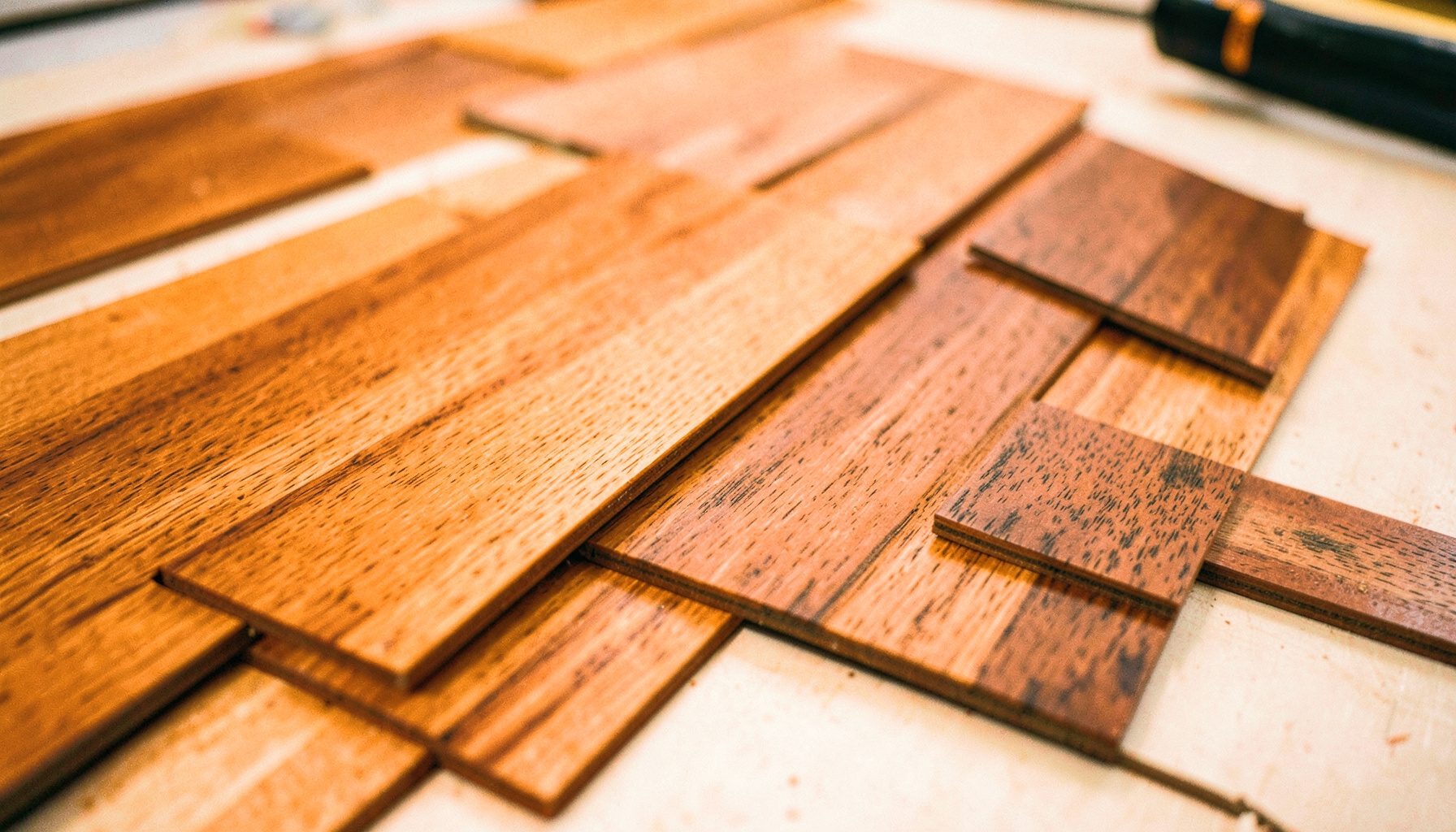
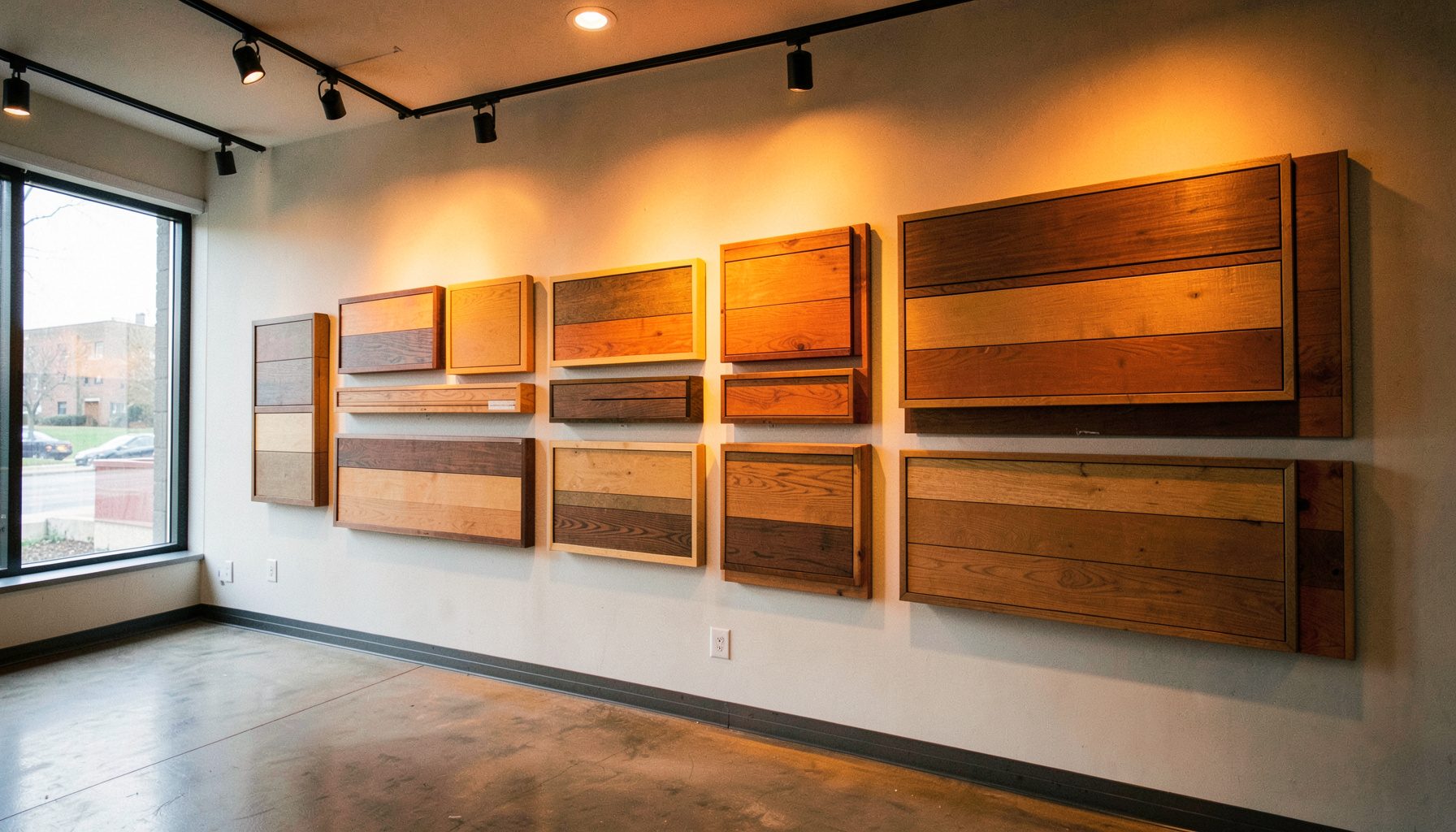
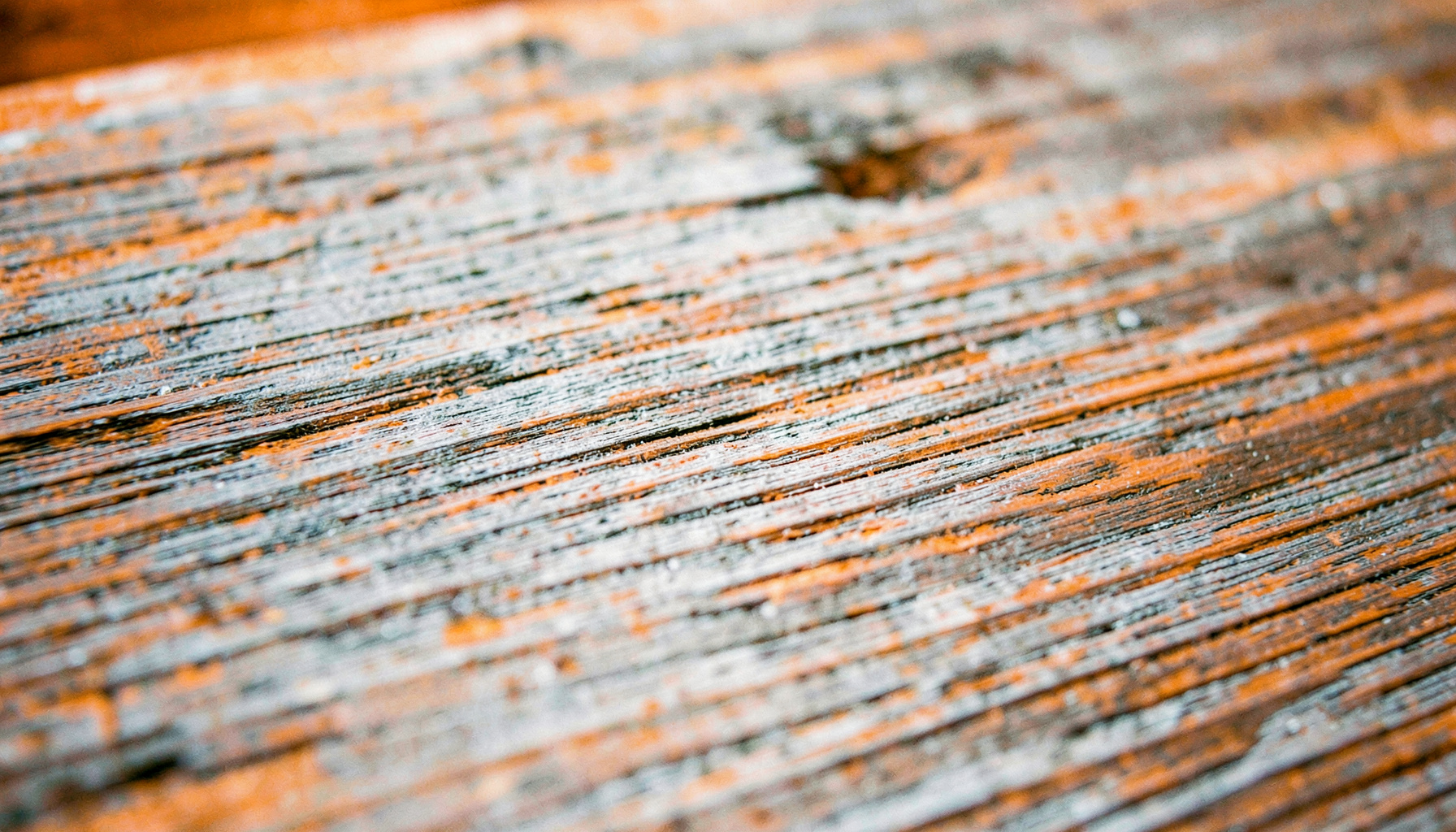
The aesthetic versatility of wood-plastic composites allows designers to achieve the warm, natural look of real wood while benefiting from modern material science. Available in a wide range of colors and textures, WPC can mimic various wood species and finishes, from rich mahogany tones to weathered gray driftwood appearances. The color is integrated throughout the material rather than applied as a surface coating, which means it resists fading and maintains its appearance even in direct sunlight. This through-color construction also means that minor scratches or wear do not reveal a different substrate beneath, preserving the visual integrity of the surface. For architects and homeowners alike, this combination of beauty and resilience offers a compelling alternative to traditional wood flooring and decking materials.